The Zebra Background Green Pattern: A Versatile Asset for Modern Design
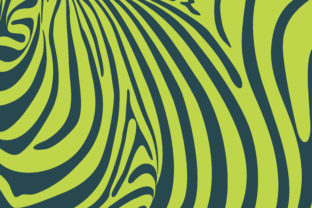
In the vast landscape of graphic resources, few motifs capture attention as effectively as the interplay between organic structure and bold coloration. The Zebra Background Green Pattern represents a fascinating convergence of natural geometry and contemporary aesthetic choices. By reimagining the classic black-and-white stripes of the African plains with a combination of dark and light green hues, designers unlock a new visual language that speaks to both heritage and innovation. This unique texture serves as more than just a decorative element; it is a powerful tool for conveying themes of nature, fashion, and abstract art.
Redefining Natural Geometry Through Color
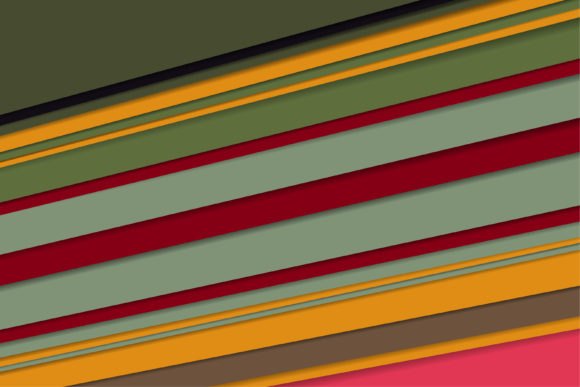
Traditionally, the zebra's coat is synonymous with high-contrast monochrome, a survival mechanism evolved in the wilds of Africa to confuse predators. However, when this iconic striped structure is translated into a green pattern, the result is an artistic abstraction that retains the biological integrity of the mammal while embracing a fresh palette. The use of varying shades of green—from deep forest tones to vibrant lime accents—creates a sense of depth and movement that flat colors often lack.
This transformation allows the design to function seamlessly across various mediums. Whether applied as a seamless vector for digital wallpapers or printed on leather materials for fashion accessories, the pattern maintains its structural clarity. The lines that define the zebra's form become waves of foliage, suggesting a connection to the jungle and the wild without being literal. It is an example of how abstract art can borrow from wildlife illustration to create something entirely new.
The Role of Texture and Detail
One of the most compelling aspects of this resource is its textural richness. In digital illustrations, the grunge elements often added to these patterns provide a tactile quality that mimics aged paper, worn fabric, or rough stone. This adds a layer of sophistication, moving the design away from a purely cartoonish representation toward something that feels like a piece of vintage decor or a retro poster. The furry texture implied by the hair-like strokes of the stripes enhances the realism, making the mammal feel alive even within a stylized context.
For professionals working in 3D modeling or complex graphic layouts, the layer capabilities of such vectors are invaluable. Designers can isolate specific sections of the pattern to create shadows, highlights, or background noise. The spiral variations found in some iterations of this design add a dynamic twist, breaking the linear monotony of standard stripes and introducing a sense of rotation and energy. This versatility ensures that the asset remains relevant whether the goal is a subtle background or a dominant foreground element.
Applications Across Creative Industries
The utility of the Zebra Background Green Pattern extends far beyond simple decoration. Its adaptability makes it a staple for creators in multiple sectors, from high-end fashion houses to educational institutions. Understanding where this pattern fits best helps maximize its potential impact.
- Fashion and Textile Design: The print industry frequently looks to animal skins for inspiration. By swapping traditional black and white for a green spectrum, textile designers can create fabrics that stand out in a crowded market. Imagine a leather jacket lined with this pattern, or a silk scarf featuring the colorful skin texture. The design offers a bold statement piece that appeals to those seeking uniqueness in their wardrobe.
- Digital Media and Web Development: For web designers, a background that captures user interest immediately is crucial. This pattern works exceptionally well as a hero image or a section divider. The seamless nature of the vector allows it to tile perfectly across screens of any size, ensuring a consistent look on mobile devices and desktop monitors alike. The graphic quality ensures fast loading times while maintaining high resolution.
- Interior Decor and Wallpaper: Homeowners and interior decorators often seek wall coverings that bring the outdoors inside. A zoo-inspired theme can be softened and modernized using this green variation. Instead of a literal depiction of animals, the structure of the stripes evokes the feeling of a safari lodge or a tropical retreat. The vintage and retro styles available in these assets allow for a nostalgic yet current aesthetic in living rooms, nurseries, or commercial spaces.
- Educational and Research Materials: Educators teaching about african fauna or ecological systems can utilize these visuals to engage students. The illustration style makes complex biological concepts accessible. When explaining camouflage or the diversity of fauna, a colorful, engaging visual aid like this pattern can spark curiosity and facilitate better retention of information.
Technical Advantages of Vector-Based Assets
When selecting a resource for a project, the file format is often as critical as the visual content itself. The vector nature of the Zebra Background Green Pattern provides distinct advantages over raster images. Vectors are composed of mathematical paths rather than pixels, which means they can be scaled to any size without losing quality. This is essential for projects that require printing at large formats, such as billboards or banners, where pixelation would ruin the detail.
Furthermore, the ability to edit individual components of a vector file grants designers unparalleled control. If a client prefers a darker shade of green or wants to alter the density of the stripes, these changes can be made instantly. The wave and spiral variations mentioned earlier can be manipulated to fit specific layout requirements. This flexibility supports a workflow that prioritizes efficiency and customization.
Integration with Modern Design Trends
Current trends in graphic design often favor bold typography paired with textured backgrounds. The green hue of this pattern aligns well with the growing emphasis on sustainability and eco-friendly branding. Companies looking to communicate a commitment to nature can leverage the nature and jungle associations of the zebra motif. The hide and skin references, when stylized, evoke a sense of raw materiality that resonates with consumers who appreciate authenticity.
The decoration aspect of this pattern also plays a role in social media marketing. Visual content that breaks the mold of standard geometric shapes tends to perform better on platforms like Instagram and Pinterest. A clipart or draw style that feels handcrafted yet precise can increase engagement rates. The color combination of dark and light green creates a natural contrast that is easy on the eyes but striking enough to stop the scroll.
Considerations for Implementation
While the Zebra Background Green Pattern offers numerous benefits, successful implementation requires thoughtful consideration of context. The intensity of the lines and the saturation of the green must be balanced against the other elements in a composition. Overusing a busy pattern can lead to visual fatigue, so it is often effective to use it as a backdrop for clean, minimalist text or solid-colored imagery.
Color theory also plays a pivotal role. While green is generally associated with growth and harmony, the specific shades chosen can alter the mood. Darker greens might convey mystery or depth, suitable for night-themed designs or luxury products. Lighter, brighter greens suggest energy and freshness, ideal for summer campaigns or children's products. Understanding these nuances allows designers to tailor the material to the specific emotional response they wish to elicit.
Additionally, cultural sensitivity is important when utilizing animal motifs. The zebra is a symbol of freedom and resilience in many cultures, particularly within Africa. Using the pattern respectfully and avoiding caricatured representations ensures that the design honors the source of its inspiration. The artistic interpretation should celebrate the beauty of the animal rather than reducing it to a mere novelty.
The Future of Animal-Inspired Graphics
As technology advances, the ways we interact with graphic resources continue to evolve. Augmented reality (AR) and virtual reality (VR) offer new frontiers for displaying textures like the zebra skin pattern. Imagine a virtual gallery where users can walk through a digital savanna, seeing the striped coats of animals rendered in vivid, interactive greens. The 3d capabilities of modern software mean that these patterns can wrap around objects, creating immersive environments that were previously impossible.
Moreover, the demand for unique, non-generic backgrounds is driving the creation of more specialized assets. The seamless nature of this pattern ensures it will remain a valuable tool for years to come. As designers seek to differentiate their work in a saturated market, the ability to combine familiar forms with unexpected colors becomes a key strategy. The Zebra Background Green Pattern stands at the forefront of this movement, offering a bridge between the natural world and human creativity.
In conclusion, this asset is more than a simple image; it is a versatile component of the modern designer's toolkit. From its origins in the wildlife of the continent to its application in fashion, decor, and digital media, it demonstrates the enduring power of natural forms. By embracing the structure of the zebra and infusing it with the vibrancy of green, creators can produce work that is both visually stunning and deeply meaningful. Whether used for a vintage poster, a sleek website, or a sustainable product line, the possibilities are as endless as the stripes themselves.