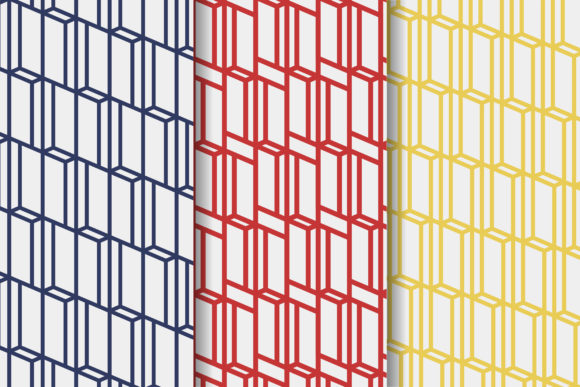
Rectangle Geometric Pattern for Modern Design
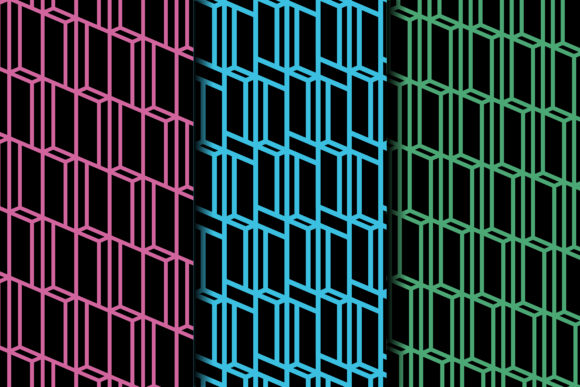
In the fast-paced world of visual communication, a seamless vector pattern featuring a 3D linear grid structure from rectangles instantly captures attention and establishes a sense of order. This specific design asset, characterized by blue, red, and yellow lines isolated on a soft grey background, offers more than just decoration; it provides a robust foundation for professional branding and digital experiences.
The Rectangle Geometric Pattern serves as a versatile tool in the designer's arsenal, bridging the gap between classic aesthetics and modern functionality. By utilizing a structured grid of shapes, designers can create visual hierarchies that guide the viewer's eye without overwhelming them. The interplay of primary colors against a neutral backdrop creates a dynamic contrast that feels both retro and contemporary, making it an ideal choice for projects requiring a blend of stability and creativity.
The Power of Structure in Brand Identity
When building a brand identity, consistency is key. A geometric background composed of repeating rectangular elements offers the scalability needed for everything from business cards to large-scale billboards. Unlike organic or chaotic patterns, this structured approach reinforces a message of reliability and precision. For companies in architecture, engineering, or technology sectors, these assets communicate technical competence and forward-thinking innovation.
The specific color palette plays a crucial role in this visual language. The use of blue suggests trust and professionalism, while red injects energy and urgency. Yellow adds a touch of optimism and highlights important areas. When combined on a soft grey surface, these colors achieve a balanced monochrome effect that remains legible across various mediums, ensuring your logo and typography remain the focal points rather than competing with the background texture.
Practical Applications Across Industries
The versatility of this 3D abstract art extends far beyond simple wallpapers. Creative professionals leverage such design elements to enhance user engagement and improve overall aesthetic quality in diverse contexts:
- Web and UI Design: Use the pattern as a subtle backdrop for landing pages or dashboard interfaces to add depth without distracting from functional content.
- Packaging Design: Apply the vector texture to product boxes to convey a premium feel, particularly for tech gadgets or creative stationery.
- Social Media Graphics: Create consistent visual themes for Instagram or LinkedIn posts that stand out in crowded feeds through their unique striped and structured composition.
- Editorial Layouts: Enhance magazine covers or report headers with this graphic element to introduce a modern, stylish edge to text-heavy documents.
- Fashion and Textiles: Transform the digital vector into fabric prints for clothing lines or wrapping paper, bringing the urban, architectural vibe to physical products.
Evaluating Design Elements for Maximum Impact
Selecting the right creative assets requires a keen understanding of visual hierarchy and audience expectations. When integrating a 3D linear grid structure into a project, consider how the pattern interacts with typography. The clean lines of the rectangle should complement, not clash with, your chosen font styles. Sans-serif typefaces often pair best with this modern geometry, reinforcing the sleek and simple nature of the design.
Scalability is another critical factor. Because this is a seamless vector pattern, it can be resized infinitely without losing resolution. This ensures that whether you are designing a small mobile icon or a massive storefront mural, the image remains crisp and professional. Designers should also evaluate the density of the grid; a tighter grid may suit high-tech branding, while a looser structure might work better for lifestyle or fashion brands seeking a lighter touch.
Furthermore, compatibility with existing brand systems is essential. If your current palette is strictly monochrome, the addition of blue, red, and yellow might require a strategic adjustment to maintain cohesion. However, if your goal is to introduce vibrancy and draw attention to specific calls to action, these colored lines within the grey structure provide the perfect accent.
Conclusion
Thoughtful integration of geometric patterns elevates a design from ordinary to exceptional. By leveraging the structural integrity and vibrant yet balanced color scheme of this 3D linear grid, creators can produce work that resonates with audiences on both an emotional and intellectual level. Whether enhancing a digital marketing campaign or defining a corporate visual identity, high-quality creative assets like this Rectangle Geometric Pattern ensure that your message is communicated clearly, stylishly, and effectively.