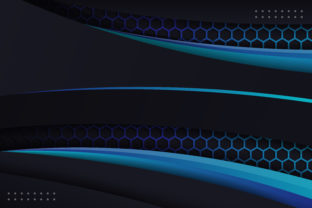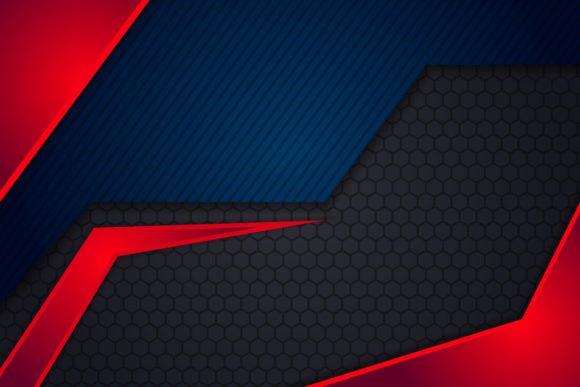
Blue Red Hexagon Background
In the rapidly evolving landscape of digital design, visual impact is often determined by the subtle interplay between structure and atmosphere. The Blue Red Hexagon Background represents a sophisticated convergence of geometric precision and vibrant color theory. This specific aesthetic, characterized by its 3D paper cut style with shadow effects, offers more than just a decorative element; it serves as a dynamic foundation for modern branding, web interfaces, and conceptual presentations. By combining the stability of the hexagonal grid with the high-energy contrast of red and blue, designers can create visuals that are both technically impressive and emotionally engaging.
The Evolution of Geometric Abstract Design
Geometric patterns have long been a staple in graphic resources, yet their application has shifted dramatically over the last decade. We have moved away from flat, two-dimensional vector art toward designs that mimic physical depth and texture. The current trend favors the 3d paper cut style with shadow, a technique that simulates layers of material stacked to create tangible dimensionality. When applied to a hexagonal grid, this approach transforms a simple polygon pattern into a complex, tactile surface that feels premium and engineered.
This shift reflects a broader change in user expectations. In an era where digital screens dominate our perception, users crave interfaces that feel responsive and layered. A background featuring a diagonal pattern in transparency black adds a layer of mystery and sophistication, allowing foreground content to pop while maintaining a cohesive structure. The use of transparency is particularly crucial here; it prevents the background from overwhelming the viewer, ensuring that the design remains functional for business applications rather than becoming mere noise.
Why Hexagons Dominate Modern Visuals
The hexagon, or honeycomb structure, is inherently efficient. In nature, it represents strength and economy of space. In digital design, this translates to a versatile canvas that can be tiled seamlessly or used as a focal point. The hexagonal grid allows for unique layouts that break the monotony of standard square grids. When overlaid with diagonal lines, the composition gains a sense of movement and direction, guiding the eye across the screen naturally.
For professionals in fields like technology, science, and engineering, these shapes resonate on a subconscious level. They suggest structure, logic, and forward-thinking innovation. This is why the Blue Red Hexagon Background is so frequently utilized in sectors that value precision and futuristic concepts. The shape itself communicates reliability, while the specific color palette injects urgency and energy.
The Psychology of Blue and Red in Tech and Business
Color selection is never arbitrary in professional design. The pairing of blue and red creates one of the most striking contrasts available in the spectrum. Blue typically evokes trust, stability, and intelligence, making it a favorite for corporate and tech industries. Red, conversely, signals passion, action, and excitement. When these two colors are integrated into a single design system using a hexagonal motif, they balance each other perfectly.
In the context of a modern background with a glossy finish, this combination achieves a "neon" effect without being overwhelming. The glowing attributes mentioned in technical specifications often refer to how light interacts with the metallic surfaces within the design. Imagine steel or metal textures catching a virtual light source; the blue areas might appear cool and deep, while the red sections seem to emit a warm, intense glow. This duality makes the design ideal for highlighting key data points, call-to-action buttons, or innovative product features.
For entrepreneurs and marketers, this visual language speaks directly to the concept of dynamic growth. It suggests a company that is grounded (blue) but aggressive in its market expansion (red). Whether used for a banner, a wallpaper, or a presentation template, this color scheme commands attention immediately.
The Role of 3D Paper Cut Techniques
The specific execution of this design—using a 3d paper cut style with shadow—adds a layer of artistic flair that distinguishes it from generic stock images. Traditional vector graphics often struggle to convey depth, but by simulating the shadows cast by overlapping layers, designers can create a pseudo-physical reality. This technique is highly effective for creating a luxury feel.
When elements overlap, the resulting shadows create a hierarchy of information. The background recedes, pushing the primary content forward. This is essential for web design, where readability is paramount. The diagonal pattern further enhances this effect, breaking up the rigid symmetry of the hexagons and adding a sense of motion. It prevents the design from feeling static or dated, keeping it aligned with futuristic trends.
Practical Applications for Professionals and Creators
The versatility of the Blue Red Hexagon Background makes it a valuable asset across various industries. For web developers, it serves as an excellent base for landing pages that need to stand out in a crowded marketplace. The abstract modern background ensures that the site looks contemporary without requiring extensive custom illustration work. Developers can overlay text and interactive elements on the transparent black sections, ensuring high contrast and accessibility.
Marketers and content creators will find this resource particularly useful for social media campaigns and digital advertising. The bright and shiny qualities of the design grab attention in scroll-heavy feeds. Because the design is categorized under Graphic Resources and utilizes vectors, it scales effortlessly from a mobile phone screen to a large-format billboard without losing quality. This scalability is critical for maintaining brand consistency across different platforms.
Educators and presenters can also leverage this aesthetic to make technical concepts more digestible. When explaining complex systems, network structures, or scientific models, a geometric background provides a familiar framework. The hexagon grid can visually represent nodes in a network, while the red and blue elements can differentiate between active and inactive states, or positive and negative values.
Integrating Technology and Texture
The mention of metallic and steel textures in the design description highlights a growing preference for industrial aesthetics in digital spaces. This look aligns well with themes of manufacturing, robotics, and advanced software development. The structure implied by the hexagons reinforces the idea of a solid foundation, which is reassuring for clients looking for reliable partners.
Furthermore, the effect of the glowing lines against the dark background mimics the interface of high-tech machinery or holographic displays. This subconsciously positions the associated brand or project as cutting-edge. For hobbyists and DIY enthusiasts, this style offers a way to incorporate a professional-grade look into personal projects, such as portfolio websites or creative blogs, without needing advanced 3D modeling skills.
Future Trends and Longevity
As we look toward the future of digital design, the demand for depth and realism continues to grow. Flat design has evolved, not disappeared, but it now incorporates subtle gradients and shadows to create a richer experience. The Blue Red Hexagon Background sits at the intersection of these trends, offering the structural clarity of flat geometry with the depth of 3D rendering.
The template nature of this resource means it is adaptable to changing needs. As new technologies emerge, the ability to tweak the transparency, adjust the glow intensity, or modify the diagonal angle ensures the design remains relevant. It is not a fleeting fad but a robust visual tool that can adapt to the shifting preferences of the market.
For businesses aiming to project a premium image, investing in high-quality vector assets is a strategic move. These assets ensure that every touchpoint, from email headers to website footers, maintains a consistent and high-standard appearance. The concept of a unified visual identity is easier to achieve when you have a flexible, high-impact background like this one.
Conclusion: A Foundation for Innovation
The Blue Red Hexagon Background is more than just a collection of shapes and colors; it is a statement of modernity and precision. By leveraging the power of the hexagonal grid, the contrast of red and blue, and the depth of 3D paper cut techniques, designers can create visuals that are both aesthetically pleasing and functionally superior. Whether for a business pitch, a tech startup launch, or an educational presentation, this design element provides the perfect stage for your message to shine.
In a world saturated with visual information, standing out requires a blend of familiarity and novelty. This design delivers exactly that, offering a dynamic and elegant solution that respects the principles of good design while embracing the possibilities of modern technology. As digital environments continue to evolve, the ability to create immersive, layered experiences will become increasingly important, making resources like this essential for any serious creator or professional.